
If a guest trips over a machine in your lobby, who is liable? That is the question underneath most photo booth insurance searches, and the answer is that it depends on cover neither party should be guessing about. Two separate policies matter here: the operator’s, which covers their equipment and their work in your building, and yours, which covers your premises. Both need to exist, and the venue should see evidence rather than take somebody’s word for it. I am not a broker, so treat what follows as the questions to raise with yours.
The two sides of the cover
Operators placing equipment in somebody else’s building normally carry general liability cover, which responds if their machine or their work causes injury or damage. They should also carry cover on the equipment itself, though that protects them rather than you.
Venues carry premises liability as a matter of course. The overlap between the two is where arguments happen, since an incident involving a third party’s equipment on your floor can plausibly land on either policy depending on cause. General liability insurance is built for exactly this sort of ambiguity, which is why the paperwork matters more than the conversation.
What a venue should ask for
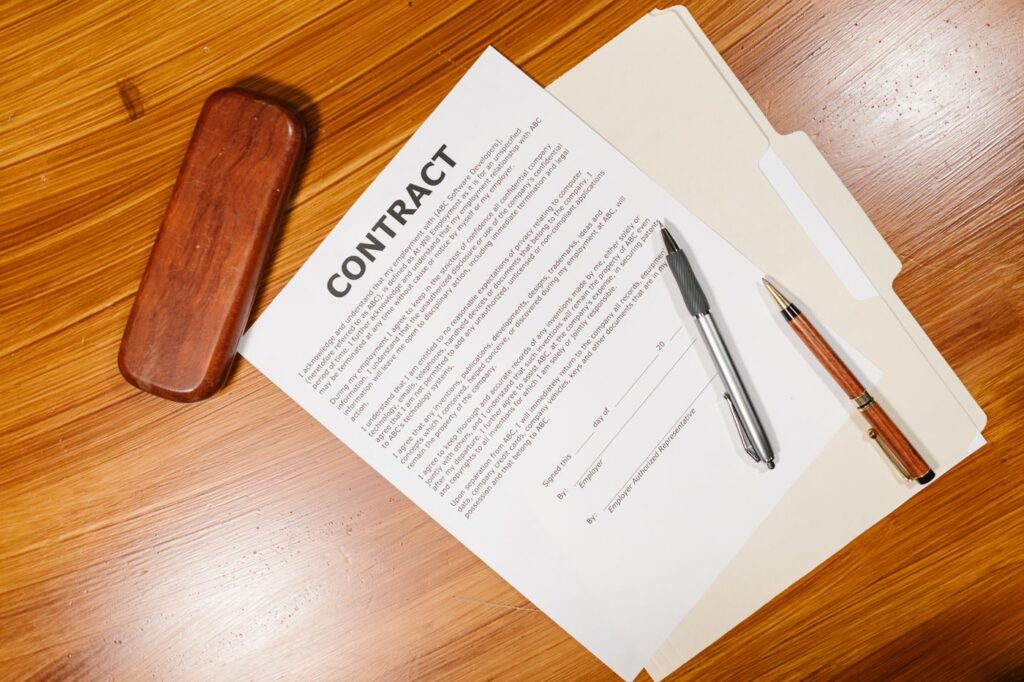
Three documents, and none of them is unusual to request.
- A certificate of insurance. Current, naming the operator, showing general liability limits.
- Additional insured status for your entity, where your broker advises it. This is standard practice for contractors working on premises and reasonable to ask for here.
- Written confirmation of who handles guest claims when the machine takes money and fails to deliver.
An operator who hesitates over the first two is telling you something. Any business genuinely placing equipment in commercial buildings deals with this paperwork constantly and can produce it quickly.
What we carry for photo booth insurance
We hold liability cover and we provide certificates before a machine is installed rather than after. We also take responsibility for guest refunds ourselves, so a venue’s staff never has to arbitrate somebody’s failed session.
That last point is worth separating from insurance proper, because it is where most real world friction happens. Insurance handles the rare and serious. Refunds handle the frequent and minor, and confusing the two leaves venues absorbing small problems that were never theirs.
Want our certificate and terms before you decide anything? We will send them without you having to ask twice. Request them here.
Scenarios worth thinking through
Abstract cover is hard to evaluate. Concrete situations are easier, so raise these specifically.
A guest trips on a machine that was positioned where you agreed it should go. A guest trips on one that had been moved without your knowledge. The machine leaks, marks or scratches your flooring. Somebody damages it deliberately after hours. A guest pays and receives nothing. Finally, your building floods or suffers storm damage and the machine is affected along with everything else, which in South Florida is not a hypothetical worth skipping.
Each of those lands differently, and the answers should be knowable in advance. If an operator cannot walk through them, they have not done this in a real building yet.
Who covers what: a photo booth insurance summary
Bring this to your broker rather than to the operator. The point is to identify which column has a gap in it, since gaps are where disputes live.
| Situation | Usually the operator | Usually the venue | Ask about it |
|---|---|---|---|
| Guest injured by the machine | Yes, general liability | Premises cover may respond too | Additional insured status |
| Machine damages your floor or wall | Yes | No | Get it in the agreement |
| Machine stolen or vandalised | Yes, their equipment cover | No | Whether they will claim or absorb it |
| Guest pays and gets nothing | Yes, as a refund not a claim | No | That your staff are never involved |
| Injury during installation | Yes | No | Certificate dated before install day |
| Storm or flood damage | Their equipment | Your building | What happens to the agreement afterwards |
Notice the fourth row again. It is the only one that will happen regularly, and it is not really insurance at all. Still, it belongs on the same page, because it is the scenario a venue will actually encounter.
What belongs in the agreement
Insurance obligations should be written into the placement agreement rather than handled by email. At minimum the agreement should say who insures the equipment, who carries liability, what limits apply, and what notice you get if cover lapses or changes.
It should also cover the practical questions that sit alongside insurance. Who may move the machine, and who may not. Who is responsible if it is moved and something happens afterwards. What happens during a refurbishment or a closure. None of these is exotic, and all of them are easier to agree while everybody is enthusiastic rather than after an incident.
Why this comes up later than it should
In most placement conversations, insurance arrives last. Somebody has walked the room, agreed a spot and got excited about the idea, and only then does a general manager mention that legal or the landlord will want paperwork. By that stage the machine is often already built and scheduled.
Raising it early costs nothing and removes the most common source of delay we have seen. Managed buildings, universities and hotels all have a process, and that process takes as long as it takes regardless of how keen everybody is. So ask for certificates at the first serious meeting rather than the week before delivery.
There is a secondary benefit. An operator who produces the documents immediately has almost certainly done this in a comparable building before, and that is worth knowing well before you commit a corner of your venue to them.
If you own the machine instead
Buyers face a different version of this. Your equipment cover needs to extend to a machine sitting in a building you do not control, which is not always the default on a business policy. Meanwhile your liability cover needs to contemplate the public interacting with your equipment unsupervised.
Neither is difficult to arrange. Both are easy to overlook, particularly if you started with a mobile rental business where the equipment came home every night and somebody was always standing next to it.
Frequently asked questions
Does hosting a machine affect our premises policy?
Possibly, and it is a short conversation with your broker. Most venues find it changes nothing, though checking beats assuming.
Should we be named as additional insured?
Ask your broker. It is common practice for third party equipment and contractors on site, and a reasonable request to make of any operator.
Who is liable if a guest damages the machine?
Normally the operator absorbs it, and the agreement should say so. It has been rare in practice.
What if the operator’s cover lapses mid term?
Your agreement should require notice. Without that clause you may not find out until it matters.
Considering a machine for your venue? We install and service it, we insure it, and we handle guest refunds so your team never does. The venue supplies a spot and an outlet. See if your site fits.
Also useful: what a placement agreement should cover, how a no cost machine works for a business, and permanent photo booth installation.
The money side of hosting is set out in what a venue actually pays. Service obligations, which people often confuse with insurance, are in what breaks and who fixes it.