
You have a vending machine placement agreement on your desk, it runs to two or three pages, and the real question is which lines in it can hurt you. Most of it cannot. A handful of clauses decide whether the machine is an asset or a three-year irritation, and those are the ones this post walks through.
I write these agreements from the operator’s side. Vertex Vending Group places photo booths in South Florida venues under exactly this kind of contract, so I know which clauses operators lean on and which ones a location owner should push back on before signing. No legal advice here, just the clauses I would read twice if I were sitting where you are.
What a vending machine placement agreement actually does
A vending machine placement agreement is a licence, not a lease. You grant the operator the right to keep a machine on your premises and sell from it. In exchange the operator owns the machine, services it, carries the product and pays you a commission on sales. Florida law puts the sales tax on the operator too: the Department of Revenue’s vending machine guidance makes the operator responsible for reporting and remitting tax on gross receipts from the machine, not the location.
So the agreement is mostly about four things. How long the machine stays. How you are paid and how you check it. Who does what when something breaks. And how it ends.
The nine clauses to read twice
1. Term and automatic renewal
Two to three years is common. The clause to find is the renewal. Many agreements roll over for another full term unless you give written notice inside a narrow window, often 60 to 90 days before expiry. Miss the window and you are in for another three years. Ask for a shorter first term, or a renewal that goes month to month.
2. Exclusivity
A snack operator will usually ask to be the only vending company on site. That is reasonable for snacks. It becomes a problem when the clause is written as “all vending” and blocks a machine in a different category later, such as an entertainment machine. Narrow it to the product category the operator actually supplies.
3. How the commission is defined
Gross sales and net sales are different numbers. Net usually means after sales tax, sometimes after card fees, occasionally after refunds. None of that is wrong, but the definition should be written down, and you should know which one your percentage attaches to before you agree to it. I am not going to publish what we pay, because every location is different, and neither should the agreement leave the base undefined.
4. The statement and its source
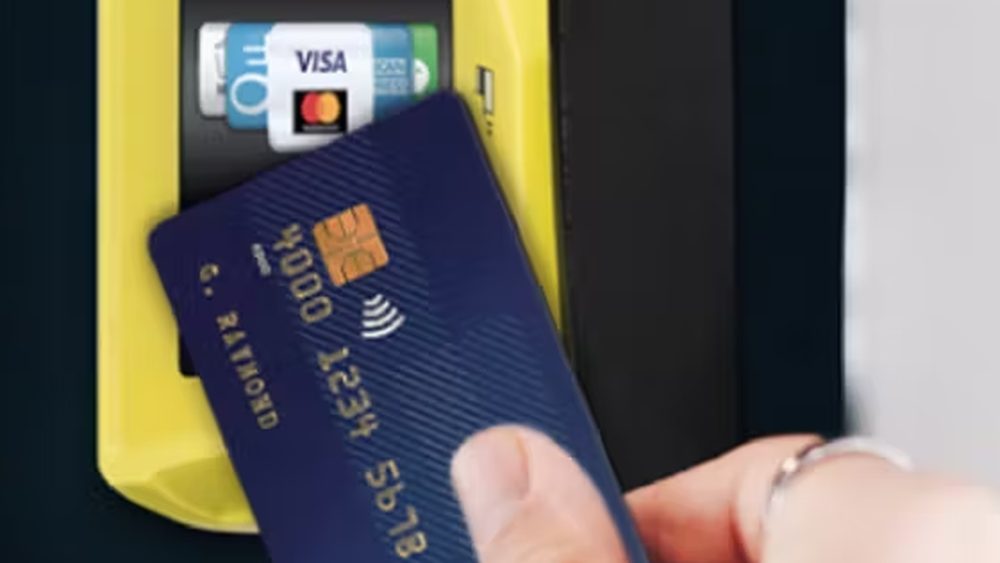
This is the clause that decides whether you can ever check your money. A good agreement names the report the commission is calculated from, states how often you get it, and states the system the sales figure comes from. A card reader export is auditable, whereas a handwritten count is not. We pay our venues from the payment processor’s monthly statement, and that statement goes to the venue with the payment.
5. Service response time
Look for a number of hours or days, not the word “promptly”. A machine showing an error screen for a week is your problem in the eyes of your guests, whatever the contract says about whose machine it is. Any operator who takes the machine seriously will accept being held to a number.
6. Relocation and removal rights
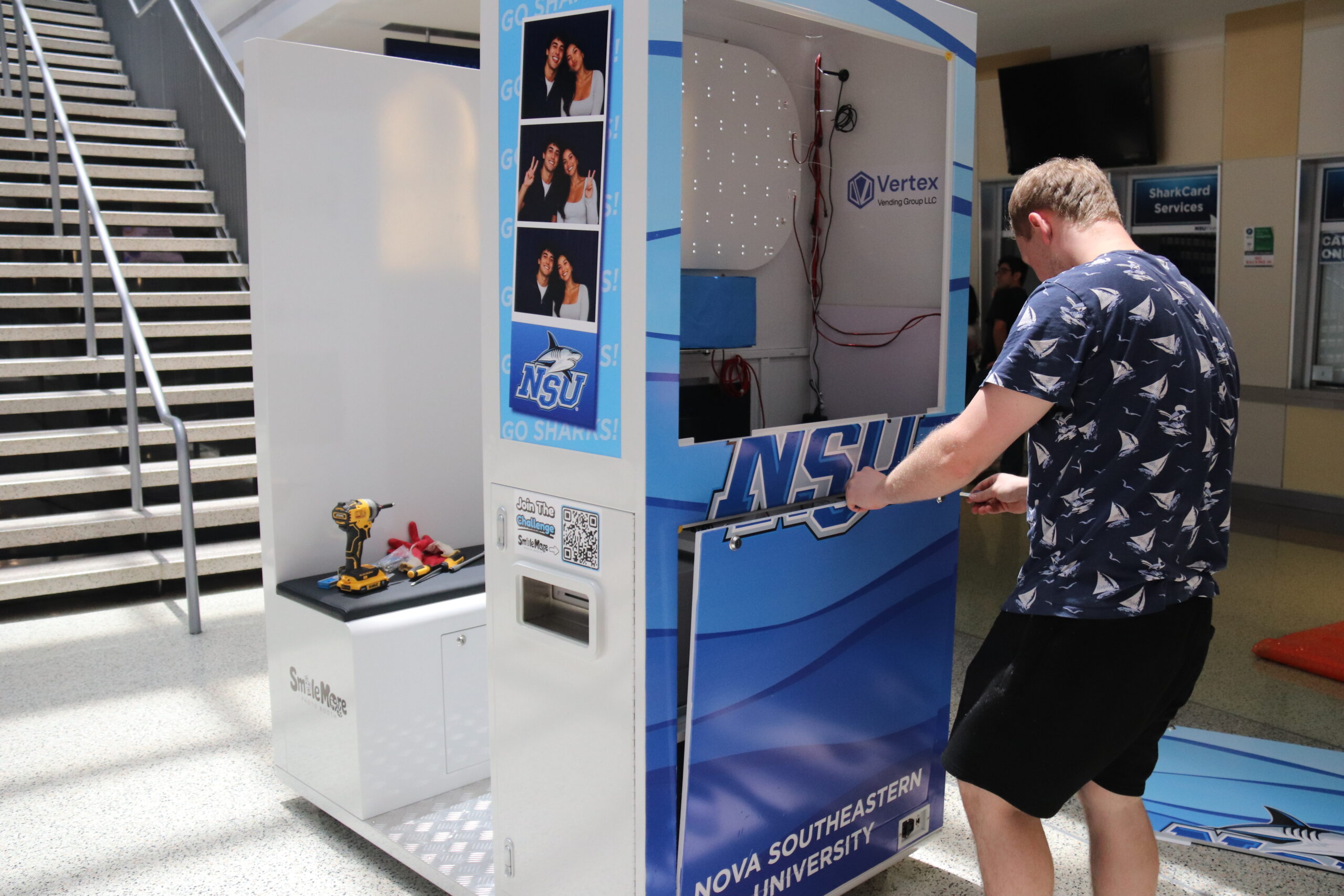
Two directions matter. Can the operator move or remove the machine, and on what notice? Can you require it to be moved? At Nova Southeastern University, the safety team approved our booth on the written condition that it can be relocated should a fire marshal or a big event need the space, and that we move it rather than facilities staff. Put your version of that in.
7. Utilities and connectivity
The agreement should say who supplies power and whether the machine uses your network. Most operators expect the location to cover electricity. Card readers usually carry their own cellular connection, which keeps the machine off your Wi-Fi entirely. Ask which it is.
8. Insurance, damage and liability
The operator should carry general liability cover and be named as responsible for the machine and anything it does. You should be indemnified for claims arising from the machine. Check the clause also covers damage the machine does to your floor or wall during delivery and removal.
9. Termination and what happens to the machine
Two things to find. The notice you need to give to end it, and how quickly the operator has to remove the machine once it ends. A clause that lets a machine sit unpowered in your lobby for 60 days after termination is not one you want.
A tenth clause that only matters for one kind of machine
Snack agreements never mention data, because a snack machine does not collect any. A photo booth does. Guests type in phone numbers and email addresses to receive their pictures, and the photos themselves exist somewhere. Your agreement should say who holds that data, what it can be used for, and whether the venue gets access to it. The answer you should expect, and the one we give: the operator holds it, it is used to deliver the guest’s photos, and nobody is sold a list. Ask any booth operator that question before you sign.
The wider case for hosting a booth, and the other questions I would put to any operator, is in photo booth for bars. What the venue gets and what we ask of it is on the permanent photo booth installation page.
Want to read ours before anyone visits?
We would rather you saw the agreement first. Ask for it and we will send the placement terms we use for South Florida venues, with the clauses above marked. If a line worries you, tell us, and we will talk it through before anyone measures your wall.
A checklist to take into the meeting
- First term length, and whether renewal is automatic
- Exclusivity limited to the operator’s product category
- Commission base defined as gross or net, with net spelled out
- Named source for the sales figure, and statement frequency
- Service response time in hours or days
- Your right to require the machine be moved, and who moves it
- Who pays power, and whether the machine touches your network
- Operator insurance, indemnity, and cover for delivery damage
- Termination notice, and removal deadline after termination
- Guest data ownership, if the machine collects any
Common questions about placement agreements
Can I end a vending machine agreement early?
Only on the grounds the agreement gives you, which is why the termination clause matters. Most allow termination for breach, such as missed payments or failure to service the machine within the stated time. Some allow termination for convenience with notice. Ask for the second kind.
Should a vending machine agreement include exclusivity?
It is normal for an operator to ask. Agree to it for the product category they supply and no wider. An exclusivity clause written as “all vending” can block an entertainment machine or a coffee service you want later.
What should the monthly statement show?
Gross sales for the period, the deductions the agreement allows, the commission base that results, and the amount paid to you. It should name the system the sales figure came from. If the operator cannot produce that, treat it as a warning.
Who is responsible if a vending machine damages the floor?
The operator, if the agreement says so. Look for the delivery and removal language inside the liability clause. Photograph the spot before the machine arrives so there is no argument later.
Does a placement agreement need a lawyer?
For a single machine in a single venue, most owners read it themselves, and the ten points above cover what usually goes wrong. If the agreement is long, or covers several sites, or includes penalties, have someone qualified read it. This post is not legal advice.
Would I sign an agreement written the way most snack contracts are written? No. Would I ask a venue to sign one written that way? Also no, which is why we will send ours before we send anyone to measure the wall. Ask for it, read the ten clauses, and then decide.
Hotels negotiate these differently from bars and restaurants. We covered that separately in vending machine ideas for hotels.