
Almost every guide to the types of photo booths is written by somebody who sells exactly one of them. This one is too, so treat the last section as the bias it is. That said, the categories themselves are real and the differences between them are not marketing. There are four in common use, they suit genuinely different jobs, and picking by appearance is how people end up with equipment that cannot do what they bought it for.
The four types in plain terms
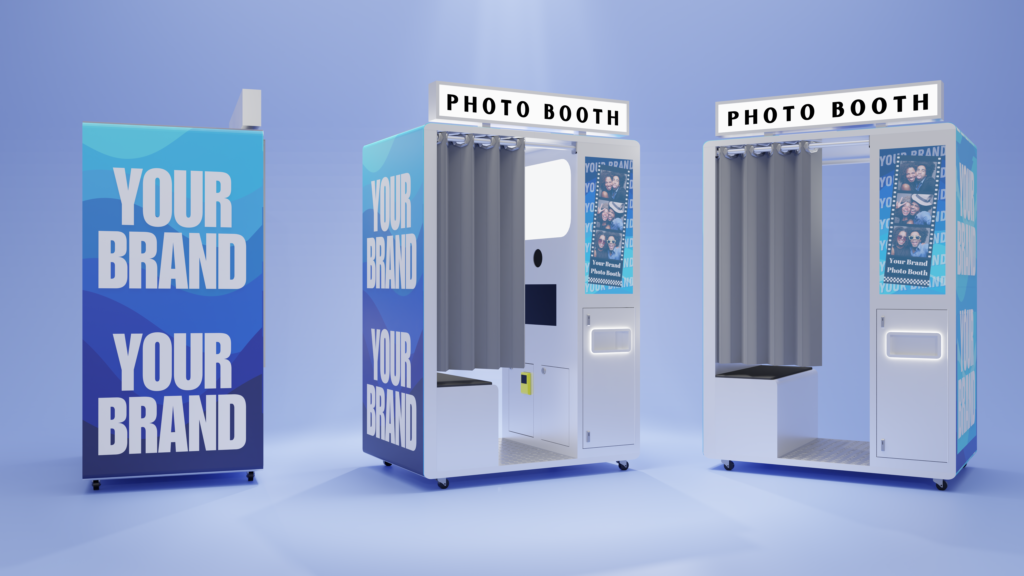
Enclosed cabinet. A booth with walls and a curtain. Guests go inside and close themselves in. Heavy, self supporting, and the only style that reads as furniture rather than as equipment.
Open air. A camera on a stand pointed at a backdrop. Light, portable, and cheap to get into. Groups can be large because there is no box to fit inside.
Mirror booth. A full length mirrored screen that shows guests themselves while it shoots. Visually striking, and it needs someone nearby to prompt people and protect the glass.
360 platform. A raised platform with an arm that orbits the guest shooting video. Produces clips rather than prints, draws a crowd, and occupies a serious amount of floor.
How they compare where it counts
Photo quality is not a differentiator any more, so it is left out deliberately. These are the axes that change the decision.
| Type | Needs a person | Output | Floor space | Best setting |
|---|---|---|---|---|
| Enclosed cabinet | No | Printed strips | Small and fixed | Permanent placement in a venue |
| Open air | Usually | Prints and digital | Wide, needs backdrop clearance | Mobile event rental |
| Mirror booth | Yes | Prints and digital | Moderate | Weddings and upmarket events |
| 360 platform | Yes | Video clips | Large, with clearance around it | Parties and brand activations |
One question sorts them faster than any feature list
Ask yourself whether the booth is a service you deliver or an object you install. Everything else follows from that.
If it is a service, you travel to a date, you set up, a person runs it, and you leave. Portability and setup time dominate, so open air and mirror booths win easily. Heavy cabinets are simply a mistake in that world.
If it is an object, the machine goes somewhere and stays. Nobody sets it up each time and nobody stands with it. Now weight becomes an advantage, because weight means stability and a machine that cannot be walked off with. Consequently the enclosed cabinet is the only realistic choice, and 360 platforms are close to unworkable since they need clear floor and constant supervision.
Not sure which category your plan actually needs? Describe what you are trying to do and we will say so plainly, even where the answer is not the thing we build. Ask us.
Where each type earns its money
Revenue models differ more than the equipment does. Open air and mirror booths earn per booking, in large chunks, on dates that cluster around weekends and seasons. Meanwhile 360 platforms earn similarly but skew towards brand work and parties, where the clip matters more than a keepsake.
Enclosed cabinets in permanent placement earn differently. Small amounts arrive continuously, every day the venue is open, for as long as the machine is there. The ceiling on any single site is lower. Yet the effort per dollar after installation is close to zero, which is the whole argument for the model.
Neither pattern is superior. They suit different appetites, and plenty of operators run both.
How the categories got here
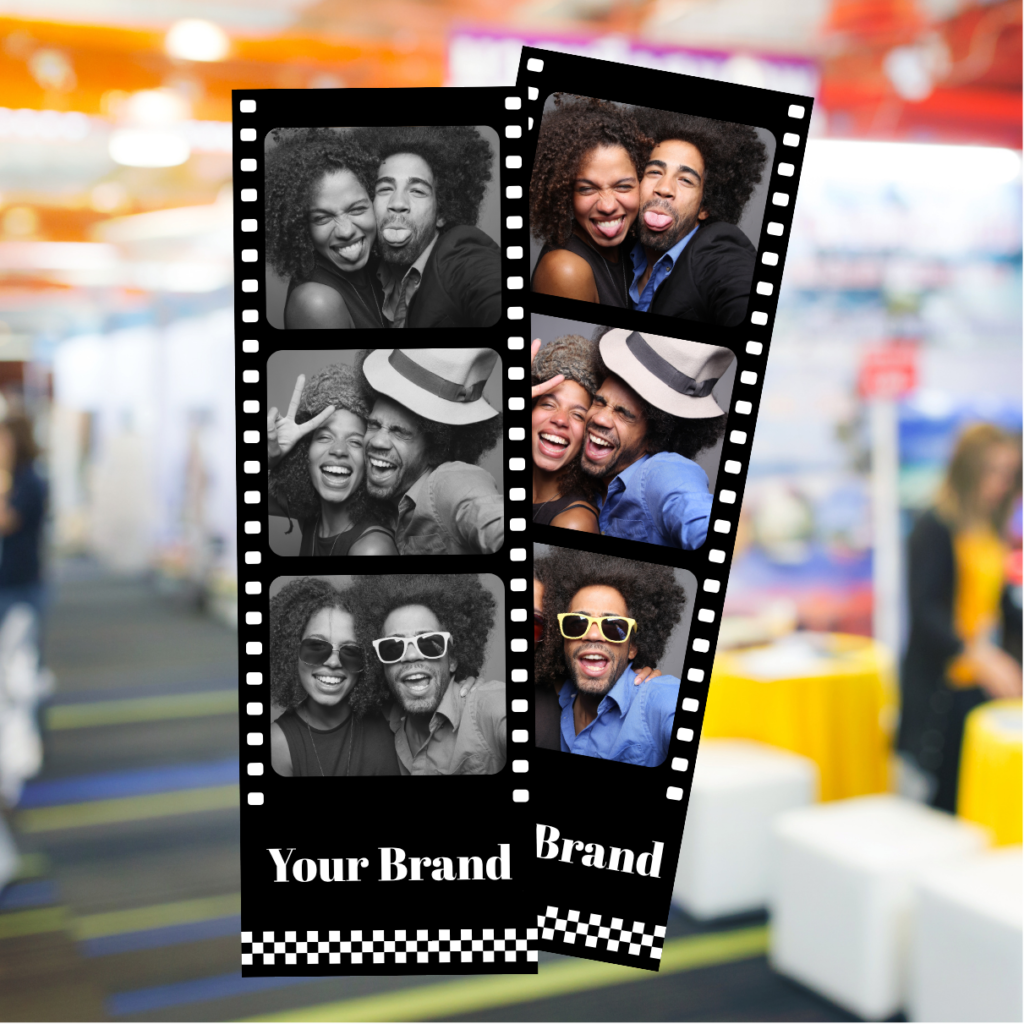
It helps to know the order these arrived in, because it explains why they feel so different to use. The enclosed cabinet came first, and by a long way. It arrived commercially in the 1920s as a coin operated machine that developed strips inside itself. Whoever wrote the history of the photo booth did a decent job of the detail, and the striking part is how little the core idea has moved.
Open air is a much more recent invention, and it came out of the events industry rather than out of manufacturing. Somebody worked out that a camera, a laptop and a printer on a trolley did most of the job at a fraction of the weight. Mirror and 360 booths followed the same logic, each chasing a novelty that photographs well on social media.
So the split is not really technological. Instead it is a split between machines designed to be installed and machines designed to be carried. Every difference in the table above traces back to that one decision.
Matching a type to a room
Venue operators ask this constantly, so here is the short version. A bar with a dead corner and no staff to spare wants an enclosed cabinet. A wedding venue that sells packages wants a relationship with a rental company running open air or mirror gear. There the equipment changes per event, so the venue should not own it.
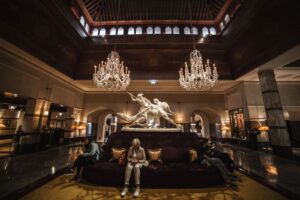
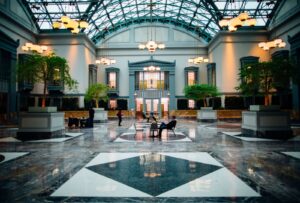
Hotels split. A lobby suits a permanent cabinet, whereas a ballroom suits whatever the event planner brings. Meanwhile campuses, bowling centres and arcades sit firmly in cabinet territory, along with anywhere else that has steady weekly footfall and no event calendar.
The prints question
Digital only booths keep appearing and they keep underperforming in permanent sites. My reading of it is straightforward. A digital file is something a guest already has a thousand of. A strip coming out of a slot is an object, and objects get carried around, stuck on fridges and photographed again for social media.
Our own guests bore that out. The two things they complimented most in our first public installation were camera quality and print speed, and print speed only matters to somebody standing there waiting for a physical thing to appear.
So which do we build, and why
We build enclosed cabinets, because we are in the permanent placement business rather than the events business. Here is the honest version of that bias: if you asked me to recommend equipment for a wedding rental company starting out, I would not recommend our machine. It is too heavy and it is built for a problem you do not have.
If instead you want a machine that sits in a bar, a lobby or a campus building and earns quietly for years, the enclosed cabinet is not one option among four. It is the only one of the types of photo booths that works at all without a person attached to it.
Frequently asked questions
Which type is cheapest to start with?
Open air, comfortably. It is also the most crowded market, so the low entry cost is doing exactly what you would expect to prices.
Are 360 booths a fad?
Demand has softened from the peak but has not vanished. The risk is less that they disappear and more that they stop commanding a premium.
Can one machine cover both events and a permanent site?
Poorly. A machine light enough to move constantly is rarely robust enough to leave, and the reverse holds too.
Does an enclosed booth work outdoors?
Under permanent cover, sometimes. Fully exposed, no, since neither printers nor payment terminals enjoy humidity and direct sun.
Want an enclosed cabinet built for your room? Send the space and the finish you have in mind, and we will come back with a price and a build slot. Talk to us.
If hosting a machine appeals more than owning one, read permanent photo booth installation. For the venue side of the argument, see photo booths for bars.
Narrowing it down for a permanent room? Go to open air against enclosed. Already settled on a cabinet, and the buying checklist is in what to check before you buy one.