
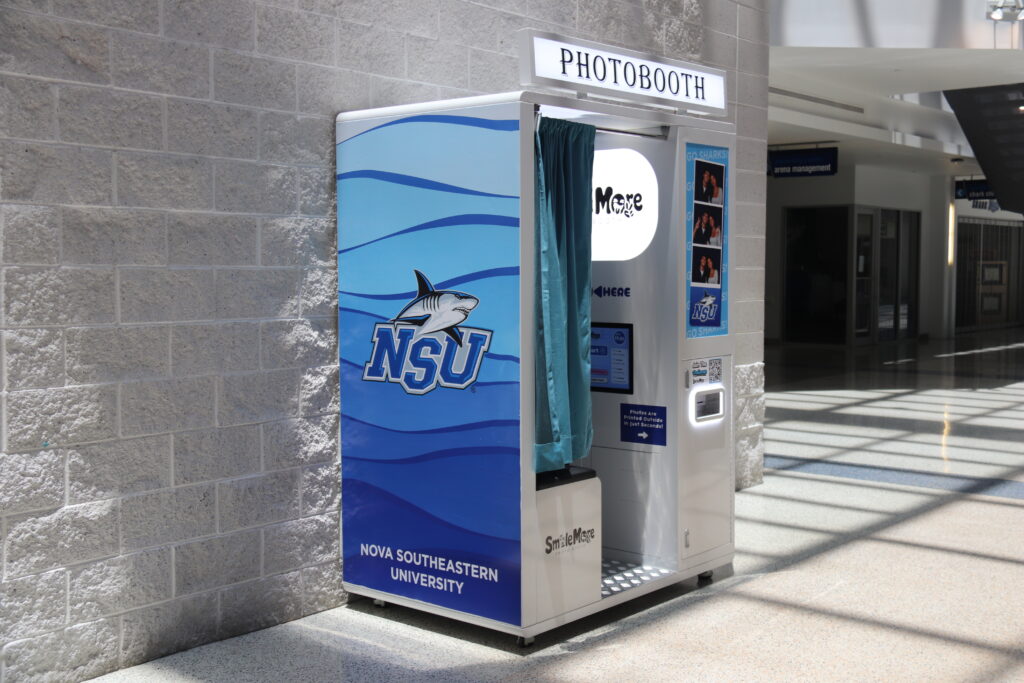
Are photo booths still popular? Our machine at Nova Southeastern University ran more than 300 sessions in its first month, so the short answer is yes, provided the booth is somewhere people already are.
The longer answer is more useful. Almost nothing we learned in week one came from the sales figure. It came from standing next to the machine, watching people use it, and asking them what they thought afterward.
The numbers from month one
- More than 300 sessions across the first 25 days of operation.
- Most of those guests texted their photos to themselves, choosing a digital copy on top of the prints.
- Friday was the busiest day by a clear margin.
The text figure surprised us most, in fact. We built the machine around printed strips, and prints are still what people react to in the moment. Most guests wanted both, though, and a good share of those digital copies ended up on Instagram.
That last part matters more than it looks. After all, a printed strip reaches only the people in the photo. A posted one reaches everybody who follows them.
As for Friday, we are not claiming to understand it yet. The strongest days fell inside move-in week, which is enough to explain a spike on its own. Whether Friday holds up as a pattern once the semester settles is something we will only know with more months on the record.
What you only learn by standing next to the machine
Everything about how a guest approaches a booth is invisible until you watch it happen, so we watched. We could not have designed our way to most of this.
The clearest example was the start of the process itself. People understood the booth instantly, walked up ready to use it, and then hesitated for a beat about what to press first. Nobody described this as a problem when asked directly, because it resolved in a second or two. Watching it repeatedly, though, made it obvious that the moment existed.
Guests told us the same thing when we asked for suggestions: add a bit of guidance on screen about how to begin. So we did, that same week. It is a small change and it removed the hesitation.
Beyond that, the month was not flawless. A hardware fault surfaced in the opening weeks, and we refunded every guest it affected while we corrected it. For a first install of hardware we built ourselves, catching it quickly and making those guests whole mattered more than a spotless record would have.
What guests actually said
We interviewed a lot of users over the week. Two compliments came up more than anything else.
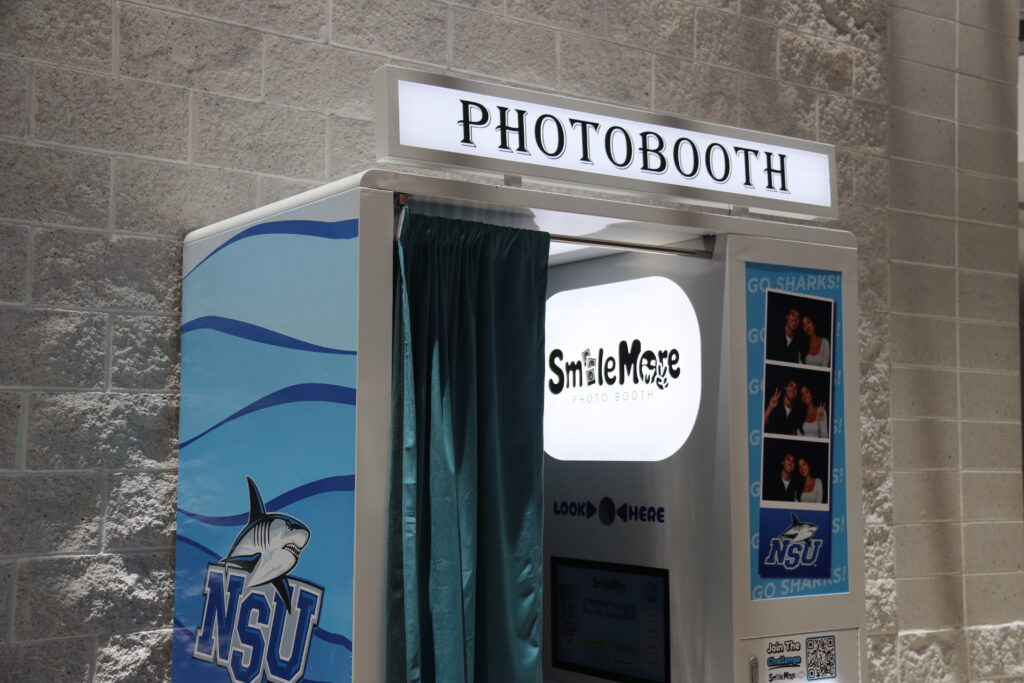
Camera quality. This was the single most common comment. It is also why so many of those texted copies made it to Instagram. People do not post a photo they are not happy with.
Print speed. Guests expect a wait and then do not get one. The strips are in your hand fast enough that the group is still standing there together, which keeps the moment going instead of ending it.
The third piece of feedback was one we did not expect to hear as praise. People kept describing the booth as simple, almost basic, in how it works. We braced for that to be a criticism. Instead it was consistently the thing they liked. A booth in a public lobby is competing with somebody’s attention for about ninety seconds, and complexity loses that fight every time.
The part that is not working yet
We run a monthly prize draw. Entering means taking a session, sharing the strip on social, and tagging both NSU and SmileMore in the post.
Entries in week one were low. Not zero, however, but well under what the session count should produce.
Our read is that the instructions are simply too long. The rest of the experience takes seconds, so a wall of text about a raffle reads as work and people skip it. We are cutting those instructions down to a single line this weekend and watching what happens to the entry rate.
That is a fixable problem rather than a wrong idea. Still, it is worth saying plainly that it did not work the first time.
We lowered the price to $7.99
The booth opened at a higher price. After a week of watching who used it and who looked and walked on, we brought a session down to $7.99 for two printed strips.
This is a student building, though. A machine in a place like that should be something anybody walking past can decide to use without thinking about it, and a few dollars is the difference between an easy yes and a small calculation. We would rather have the sessions and the posts than the extra margin per strip.
What is coming next
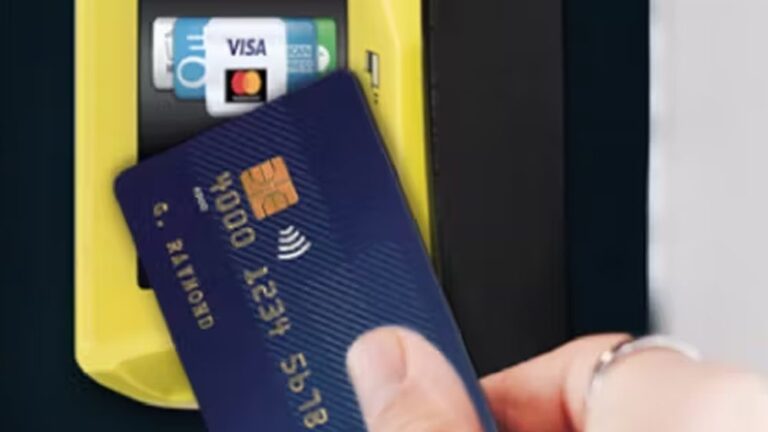
We are working on adding a payment method that should make the booth considerably easier to use for students specifically. It is not confirmed yet, so we are keeping the details quiet until it is signed and working rather than announcing something we might have to walk back.
If it lands, we expect it to matter more than any other change we make this month. In the meantime the booth works exactly as it does today.
The signal we care about most
Still, the most encouraging thing all week was not in the data at all.
Guests kept asking whether the booth is staying at NSU or whether it was there for move-in week. When we told them it is permanent, the reaction was consistently enthusiasm rather than a polite nod. People were already thinking about coming back with somebody who was not there that day.
That is the question a novelty never gets asked. It is also the closest thing to an early signal of repeat use that a first week can produce, and repeat use is what separates a machine that earns for years from one that has a good opening.
So we will publish the month-one numbers the same way we published these, including the ones that do not flatter us. If you want the background on how this machine got into the building, our machines page covers the hardware, and our guide to vetting a placement company is worth reading whether you run a campus, a bar or anything in between.
Curious what a machine would do in your room? Vertex covers the build, the install, the servicing, the restocking and the payment side. All that comes from your end is the square footage. Start a conversation here and we will give you a straight read on whether it suits your traffic.
For the mechanics behind the machine in these numbers, see how a permanent photo booth installation works from survey through servicing.
Common questions
Are photo booths still popular in 2026?
On the evidence of our first month, yes. The machine ran more than 300 sessions in 25 days, and most guests took a digital copy as well as their prints. Placement matters more than the format does.
How many sessions should a new location expect?
It depends entirely on foot traffic and placement, and one month is not a forecast. We are publishing ours so there is at least one real number in public rather than an industry average.
Do people still want printed photos?
Yes, and they want both. Prints are what guests react to at the machine. The digital copy is what reaches everybody who was not there.
What happens when a guest has trouble using the booth?
We watch for it and change the machine. On-screen guidance for starting a session came directly from user feedback in week one and went live the same week.
Background on this machine: how the NSU partnership came together and what the venue gets.
If you want the same numbers running in your own room, here is what hosting a booth involves and what your venue earns.