
If you cannot be the cheapest place in town, you have to be the one people remember. That is the whole strategy, and most owners skip it because it sounds soft. It is not soft. Memory is what brings someone back with three friends instead of alone, and it is the only advantage a bigger competitor cannot buy off you.
I have spent two years walking into bars, restaurants, gyms and shops across Broward and Miami-Dade, mostly trying to sell them something. What I actually got was a tour of which places feel alive and which feel like a transaction. The difference is almost never price.
Stop competing on the thing you will lose
After all, price is a race you win by being the biggest. If a chain opens down the street with more buying power, they can undercut you until you close, and they will not even notice doing it. The same is true of hours, of parking, of selection.
What a larger competitor cannot copy is the specific reason someone chose your place tonight. That reason is almost always something that happened there once.
“Fun” is the wrong word for it
Here is where I disagree with most advice on this topic, including the earlier version of this post. Owners hear “make it fun” and buy a neon sign, and then nothing changes, and they conclude the idea was nonsense.
The goal is not enjoyment. In fact, plenty of enjoyable businesses are completely forgettable. The goal is a specific memory attached to your name, which is a much narrower target and a much easier one to aim at.
Ask yourself what a customer could describe to a friend the next day in one sentence. If the honest answer is “it was nice,” you have a pleasant business and no differentiation.
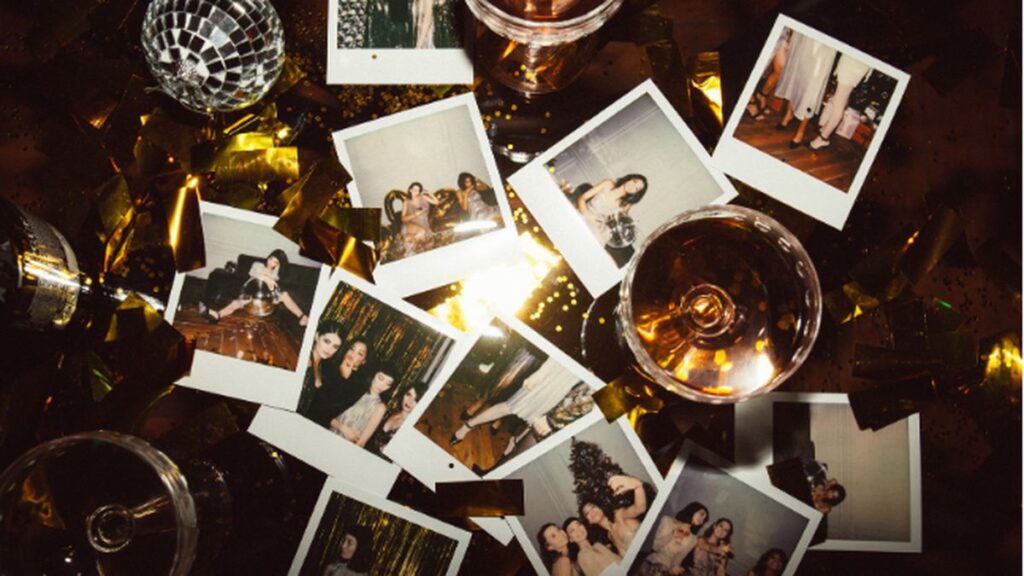
The test I use: would anyone photograph this?
Not “is it pretty.” Would a normal person, unprompted, pull out a phone and take a picture, with no discount and nobody asking them to.
This is a harsh test and most of a room fails it. Still, that is the point. A photo is proof that something crossed the line from pleasant into memorable, and it costs you nothing when it happens. Every one of those pictures is a recommendation from someone whose friends resemble your customers.
Neon signs used to pass this test. In 2019 they were everywhere and people photographed them constantly, and the wider shift toward experience-led venues has only raised the bar since. They fail now because everyone has one, which is worth understanding as a principle: whatever passes the test stops passing it once it is common. The advantage is in being early or being specific to you.
Give people a reason to stay, not just to arrive
Meanwhile, most marketing spend goes toward getting someone through the door. Almost none goes toward the ninety minutes after they sit down, which is where the revenue actually is.
Every extra dollar comes from one of three places: more people, higher prices, or longer visits. The first two are slow and hard. The third is the one nobody works on deliberately, and it is the cheapest to move.
As a result, a group that stays forty minutes longer buys something else. Nobody has to be persuaded. They just have to still be there and not bored.
What this looks like depending on what you run
The principle is the same everywhere. The execution is not.
| Type of business | The dead moment | What tends to work |
|---|---|---|
| Bar or nightclub | The lull after the first round | Something the whole group stands up for |
| Restaurant | Waiting for a table | Making the wait itself worth something |
| Brewery or taproom | Between pours, mid-afternoon | An activity that survives a quiet Tuesday |
| Gym or studio | Right after a class ends | A reason to linger and talk instead of leaving |
| Retail | The moment browsing runs out | Something to do that is not buying |
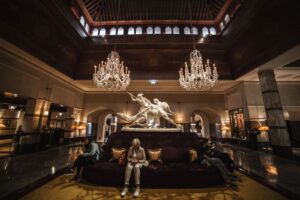
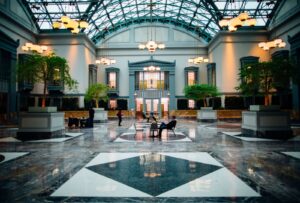
| Hotel lobby | Check-in and the hour before dinner | A reason to stay in the building |
For example, notice the middle column. Every one of these places has a predictable moment where attention drops and people decide whether to stay. Find yours before you spend anything.
Not sure where your dead moment is?
Send me a photo of your space. I will tell you where people stall out and whether anything belongs there, including if the answer is nothing.
The honest part
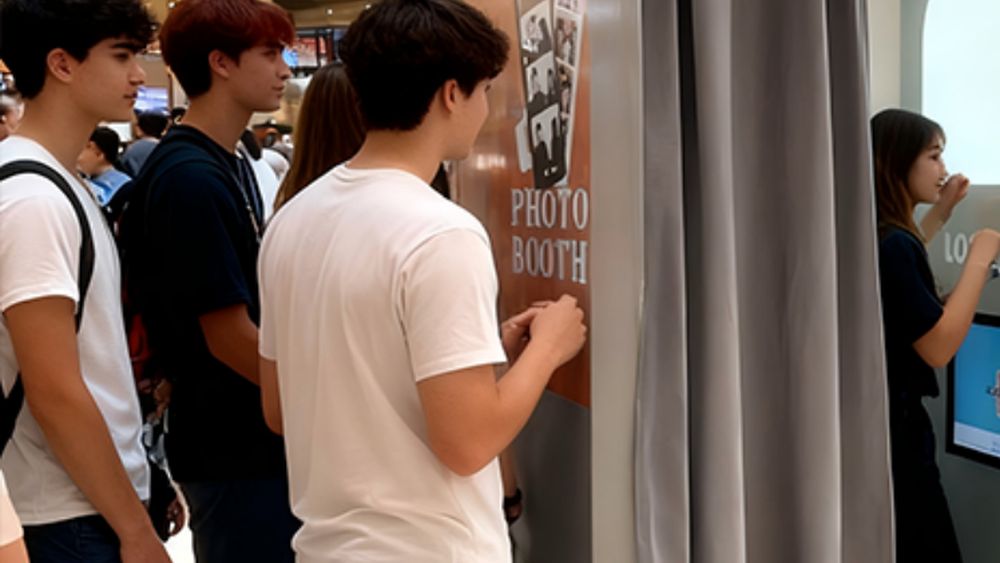
We place photo booths, so I have an obvious interest in you deciding that an activity belongs in your room. Take that into account. A booth is one answer and it is not the right answer everywhere, which is why I tell people no more often than they expect. If you want the mechanics of how a placement actually works, I wrote that up separately in what to ask before you sign with anyone.
Darts, a pool table, a rotating local artist wall, a good patio, a bar dog with a name. All of these have made places memorable without me involved. The principle survives without my product.
What I would do this month
Stand in your own room on your busiest night and watch for the moment people check their phones. That is your dead moment. Then walk the perimeter and photograph every spot nobody is standing in, and rank those spots by how visible they are from wherever people sit.
Fill the most visible one with something worth photographing. Ignore everything else until that works. It costs an evening of paying attention, and most owners already know the answer and have simply stopped seeing it.
For a worked example of an activity that people pay for themselves, see the session numbers from our first week at Nova Southeastern University and how that placement came together.
One of these costs you nothing to try. See what hosting a photo booth pays your venue. We build it, install it and service it.
Of everything on this list, only one arrives already built. Here is what a permanent photo booth installation involves for the venue.