
February 2026. I’m in a bar, pitching the manager on a rental referral deal, and he stops me halfway. They already have a photo booth, he says. I look across the room. It isn’t a rental. It’s a photo booth vending machine, and guests are feeding it on their own. If you want to start a vending machine business in Florida, that moment is my whole advice in one scene. Pick a machine guests pay for themselves. Get your sales tax account open with the state. Ask your city and county what local filings apply. Then land one great location before you chase ten.
One honest caveat from me: I’m an operator sharing what I did, not a lawyer or a tax pro. Please run your own setup past a CPA or the Department of Revenue before you rely on any of this.
The night a bar manager rewired my business
Some background first. I started at 14, moving gear for an event production company in New York. By 16 I was running photo booth rental setups across New York and New Jersey. Then I moved to Florida for NSU and kept going.
Rentals have one built-in problem: the host pays. A venue that books a booth pays for the entertainment, then has to market it too. Most venues, though, don’t want that job.
Vending, however, flips it. The guest pays at the machine. Meanwhile, the venue gets something fun in the room that costs them nothing to run. Standing in that bar, I realized I’d been selling the wrong side of the same idea.
Why a photo booth beats snacks as a first machine
Most people picture chips and soda when they start a vending machine business in Florida. I’d argue a photo booth is the better first machine, and not only because I build them.
Nothing inside it expires
For example, a snack machine carries product with a sell-by date. A booth carries paper and printer media. There’s no stale inventory to toss, and you’re not racing a Florida August to sell candy before it melts.
The “party happens once” problem, reversed
Here’s what pushed me out of rentals. A party happens once. If the gear fails that night, sure, you can return the client’s money. You can’t hand them their night back, though.
With vending, the math of failure changes. If a machine acts up, one guest is out a few dollars and gets a refund. Nobody’s wedding photos are missing. I sleep better on that side of the business, honestly.
People want something they can hold
Back in 2024, my first rental company ran on a 360 booth. Looking back, that was a mistake. So I added a booth that printed, and guests went for it immediately, far more than the 360. That taught me the lesson I still build around: people want a print in their hands.
You never know you’re in the good old times until they’re gone. When they are, you want something on the fridge, not a file buried in your camera roll.
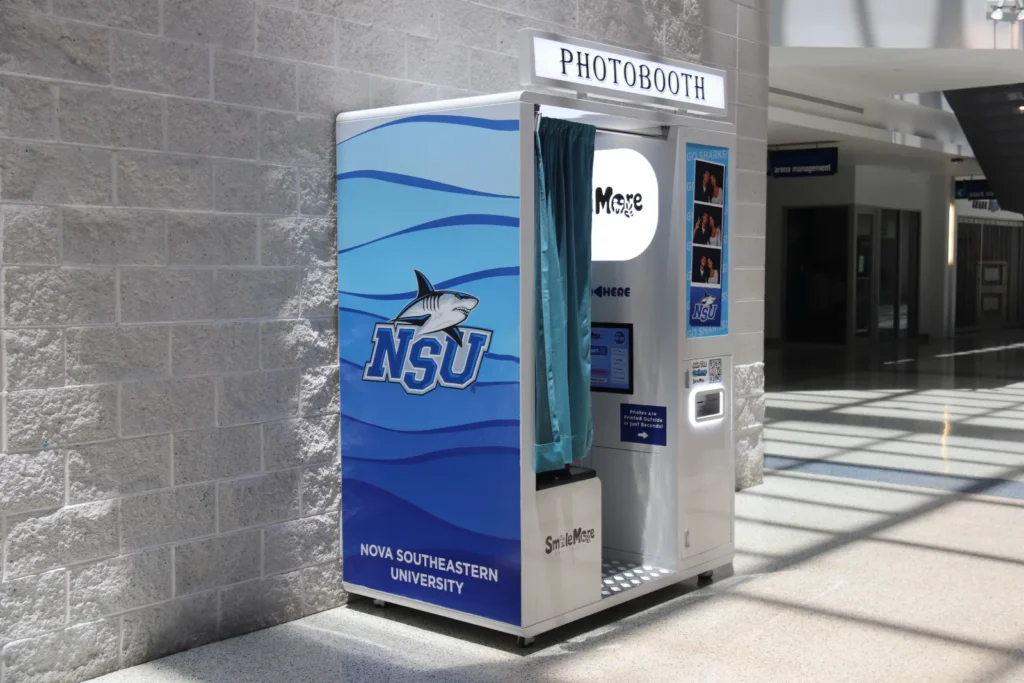
If you’re weighing a first machine right now, ask us about the SmileMore Classic, the enclosed curtain booth we build for buyers.
Paperwork to start a vending machine business in Florida
The legal side is lighter than people fear. Still, do it before your first paid session.
- Open a sales tax account through the Department of Revenue registration portal. Statute 212.0515 handles vending registration county by county, so list every county you plan to work in.
- Call your city and county tax offices and ask what a single machine needs locally. Then agree with your venue, on paper, who takes care of it.
- Treat every strip as a taxable sale. Florida rules treat finished photographs as tangible personal property.
- Learn the divisor method before your first month closes. I broke it down in our guide to Florida sales tax on vending machines.
For a full checklist table, read our post on the vending machine license Florida rules for booth owners.
Finding a location is the actual job
Nobody tells you this part. The machine, in other words, is the easy purchase. The location is the hard sale.
I’ve pitched hundreds of spots, and NSU was the first one to say yes. Meanwhile, venues with a lot less going for them turned me down. I don’t take that as bad luck. Some rooms simply aren’t right for a booth, so my job is to say yes only where the fit is real.
So how do you get the first yes? Here’s what actually moved the needle for me:
- Join your chamber of commerce. My NSU introduction came through mine, in Davie and Cooper City.
- Answer the boring questions first. Power, footprint, who services it and who handles the tax side. Managers relax when you bring those answers unprompted.
- Pitch the room, not the machine. Tell a manager what guests will do in that corner, then show them a photo of a booth in a real space.
- Be patient with big institutions. A campus or a hotel has departments, and every one of them gets a vote.
Some people will write you off for your age, too. I don’t argue with that. Statistically, plenty of people my age are still figuring out what they want, so a skeptical manager is playing the odds. My answer is to outwork the doubt rather than resent it.
Start with a machine you won’t have to babysit
The SmileMore Classic is built in-house, tested before delivery, and backed by a Florida team. Tell me about your plan and we’ll put a quote together.
What my first location taught me
NSU took months of planning before we cut a single panel. Then my team assembled the booth and ran it through testing at our own office. For the drive over, every panel got its own wrapping. It went live in August 2026, a Sharks-blue booth parked by an elevator column in the Don Taft building on campus.

The first month cleared 300 paid sessions. That number comes with a footnote, though. On day five we cut the student price to $7.99 (it opened at $9.99) so more of campus could afford it, and move-in week carried a lot of the load. So I treat month one as proof of demand, not as a pace I can promise anyone.
It wasn’t flawless, either. Early on, a hardware problem forced roughly twenty refunds. Every affected guest got their money back, and we fixed the fault. As a first-time operator, that’s the part to remember: plan for refunds, because they will happen.
The good news came from the guests themselves. They kept praising two things: the camera and how fast the strips print. They also call it simple, and they mean that as a compliment. You can see the booth on our NSU page.
Buying your first machine
When you’re ready, buy something you can get serviced in this state. Humidity, storm season and salt air are real here. A booth built and tested locally, with a Florida team who answers the phone, beats a cheaper machine shipped from far away.
We sell the SmileMore Classic by quote only, so tell us about your plan and your location ideas. More about how we got here is on our about page.
Frequently asked questions
How many machines should a first-time operator start with?
My opinion: one, placed well. A single booth in a strong spot teaches you pricing, guest behavior and your own systems. Spreading thin across weak locations just multiplies your problems.
Is summer a slow season for a Florida booth?
I suspect summer will be the quiet stretch, with back to school picking things up again. At NSU, move-in week carried a big share of month one. Treat that as one data point, not a forecast for your location.
What if venues won’t take me seriously because I’m new?
Expect some of that, and don’t take it personally. Show up prepared, answer safety and logistics questions before they’re asked, and accept that some places simply aren’t a fit. The first yes is the hardest one.
Should I line up a location before I buy a machine?
Start those conversations early, because approvals take time. A big venue may loop in several departments before anyone signs. You want those answers settled before your machine is sitting in a garage.
I’ll concede the obvious: this isn’t passive income on day one, and your first location might take longer than you’d like. Mine took hundreds of pitches. But if you want to start a vending machine business in Florida with a machine people actually smile at, reach out for a Classic quote and let’s talk it through.